




Sure! Here’s a rewritten version of the content with an added editorial opinion:
Wrestling Moves That Defy Physics
"Professional wrestling is often labeled as fake," which contains some truth but misses the essence of the spectacle. It’s an art form combining storytelling, choreographed conflicts, and athletic feats, all presented by performers as competitive contests. Like other entertainment mediums, wrestling relies on collaboration to safely execute complex moves. For instance, in Rocky IV, Dolph Lundgren didn’t actually knock out Carl Weathers; it’s all about performance.
Wrestling uses moves like suplexes, punches, and powerbombs that have roots in actual martial arts. However, in wrestling, the focus shifts from causing real harm to collaborating in a way that makes the action appear intense without the pain. Cooperative execution is crucial, especially considering some dangerous maneuvers are outright banned due to safety concerns.
Certain techniques only appear in the theatrical world of wrestling, where the laws of physics seem to bend for the sake of showmanship. While these impressive moves have become staples in the sport, their effectiveness hinges entirely on mutual cooperation from both wrestlers.
Canadian Destroyer & Code Red
One of the most celebrated moves in recent wrestling history is the Canadian Destroyer, popularized by wrestlers like Adam Cole and Penta. Essentially an inverted piledriver, this move gained traction thanks to Petey Williams and has multiple variations. However, its execution relies on the willingness of both wrestlers to make it happen, making it impractical outside of wrestling contexts.
Hurricanrana & 619
Another staple, the hurricanrana, is a high-flying maneuver seen frequently in matches today. While it impresses the audience by flipping opponents from various advantageous positions, effectiveness depends on the partner’s cooperation. Similarly, the 619 requires precise positioning and timing, making it a prime example of staged physics.
Tree of Woe & Old School Rope Walk
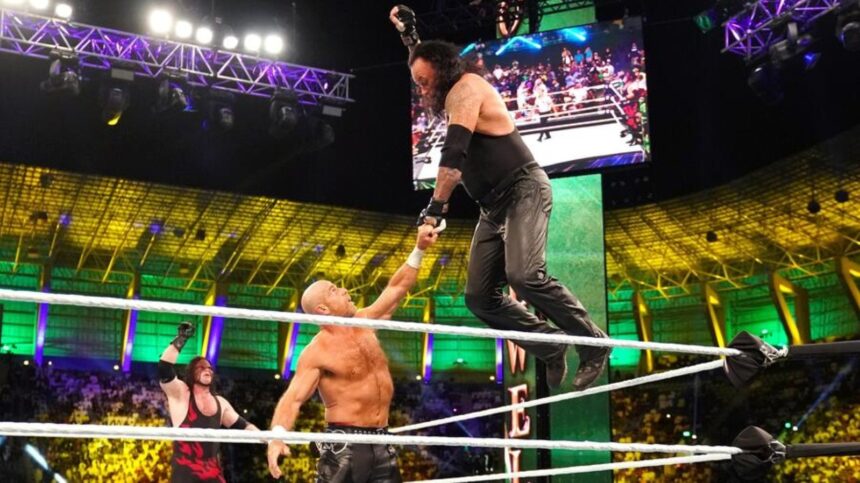
As risks increase in wrestling, moves like the Tree of Woe show the importance of teamwork. This unique maneuver leaves the opponent dangling helplessly, yet it relies entirely on cooperation. The Old School Rope Walk, executed by wrestlers like The Undertaker, also emphasizes how some moves depend on an opponent’s readiness to engage in a choreographed performance.
Slingblade & Slingshot
The Slingblade, a favorite of Finn Balor, exemplifies another momentum-dependent move, relying on both participants to make it appear impactful. Likewise, the Slingshot technique, based on the idea of a catapult, can only be effective if the opposing wrestler plays along.
Spanish Fly & Irish Whip
The Spanish Fly has become widespread, especially in Lucha Libre, showcasing a high degree of collaboration between wrestlers executing flips. Similarly, the Irish Whip may seem straightforward, but its effectiveness hinges entirely on both wrestlers committing to the move, raising questions about its realism amidst the audience.
Fan Take
Understanding these intricate maneuvers shines a light on the artistry of professional wrestling. For fans, recognizing that collaboration and mutual trust underlie these moves enhances appreciation for the sport, reinforcing the idea that wrestling is much more than a physical contest; it’s a performance art that requires skill, timing, and creativity.