




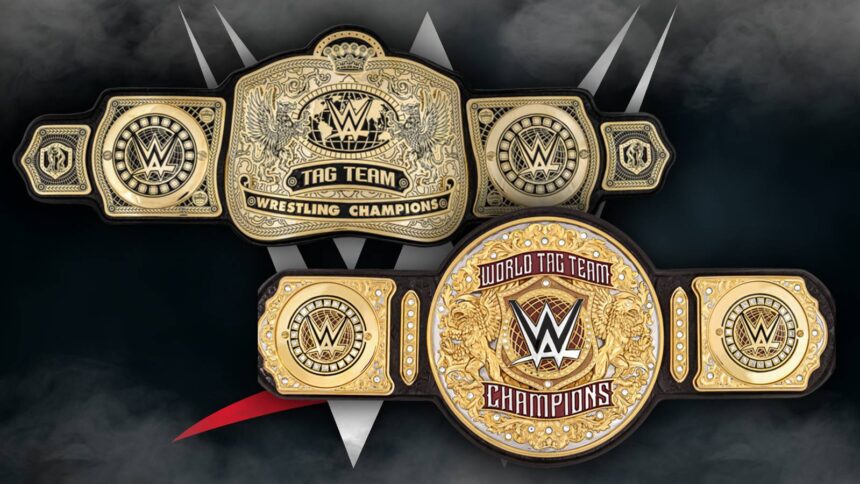
Among WWE’s various divisions, the men’s tag team scene—especially post-WrestleMania 40, when two new tag team championships were introduced—has struggled significantly on both Monday Night RAW and Friday Night SmackDown. Despite efforts, men’s tag team wrestling has remained a low priority under Triple H’s creative leadership, hindered by weak storytelling, minimal pay-per-view opportunities, and a lack of emerging stars. SmackDown’s tag teams have faced challenges like poor booking and limited character development, while RAW’s division has mostly been forgettable aside from sporadic highlights like the rise of AJ Styles and Dragon Lee. Overall, the men’s tag scene suffers from stale rematches and lost audience interest, signaling a need for change.
One proposed solution is the reunification of the World and WWE Tag Team Championships. Historically, when WWE unified these titles—such as with The Usos or teams like The Shield and Daniel Bryan & Kane—the division experienced a boost in prominence, with champions defending across both brands and featuring in major events. The women’s tag team division’s success with only one set of belts illustrates the benefits of consolidation, including increased star focus, more engaging feuds, and higher title prestige. Given the current scarcity of strong teams, maintaining two separate championship sets seems redundant and hampers growth.
Unifying the men’s tag titles would elevate their importance, giving the champions greater significance and allowing more dynamic cross-brand storylines. With one championship to fight for, teams could enjoy higher stakes and fresh rivalries across RAW and SmackDown, revitalizing the division. While having two belts makes sense with a deep roster, WWE’s current lack of investment in men’s tag teams demands more drastic intervention to prevent further decline.
Fan Take: This development is crucial for WWE fans craving exciting tag team action, as unifying the belts could restore prestige and create thrilling matchups across both shows. Reigniting interest in the men’s tag division not only enhances weekly programming but also preserves an essential aspect of WWE’s legacy and future storytelling.