




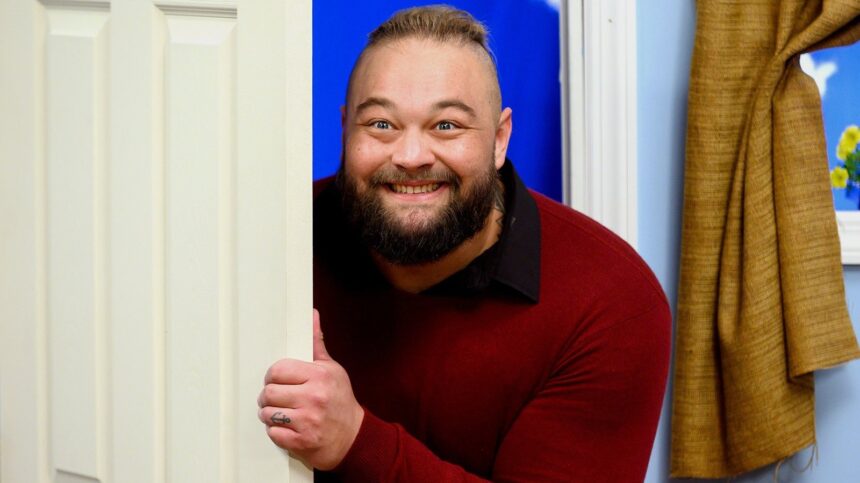
Before his untimely passing in 2023, Bray Wyatt was celebrated as one of professional wrestling’s most imaginative talents, unafraid to explore unconventional ideas fueled by his passion. A prime example of this creativity was the Firefly Fun House segments that aired on WWE in 2019. During an appearance on “Wrestling with Freddy,” former WWE writer Nick Manfredini shared insights about how the concept originated. Wyatt initially wanted to don a mask and embody a monster character, but since monsters don’t typically deliver promos—one of Wyatt’s key strengths—the challenge was to create a monster persona that could still connect with the audience. Manfredini drew inspiration from a documentary about children’s TV icon Fred Rogers, imagining what it would be like if Wyatt interacted with puppets, blending this idea with the more eerie elements of a masked figure to form the Firefly Fun House concept.
Manfredini further explained that it wasn’t until hearing Nirvana’s “Lithium” and recalling a scene from the movie It, where Pennywise appears in a children’s show audience, that the idea of a character with multiple personalities really clicked for Wyatt. This inspiration led them to develop the two-sided nature of the character, with Manfredini, Wyatt, and special effects artist Jason Baker all contributing to bringing The Fiend and the Firefly Fun House to life. The storyline was introduced through cryptic episodes culminating in April 2019, eventually marking one of the most unforgettable chapters in Wyatt’s career when he re-emerged as The Fiend. Unfortunately, by 2021, WWE Chairman Vince McMahon’s interest in the character waned, leading to Wyatt’s release. Although he returned in 2022, a COVID-19 diagnosis shelved those plans, and his final WWE appearance was in February of that year.
Fan Take: Bray Wyatt’s innovative work on Firefly Fun House redefined character storytelling in WWE, blending horror and whimsy in a way that deeply resonated with fans. This reveals how wrestling thrives when creativity breaks traditional molds, offering fresh directions that could inspire the next generation of performers and storytelling in the sport.