




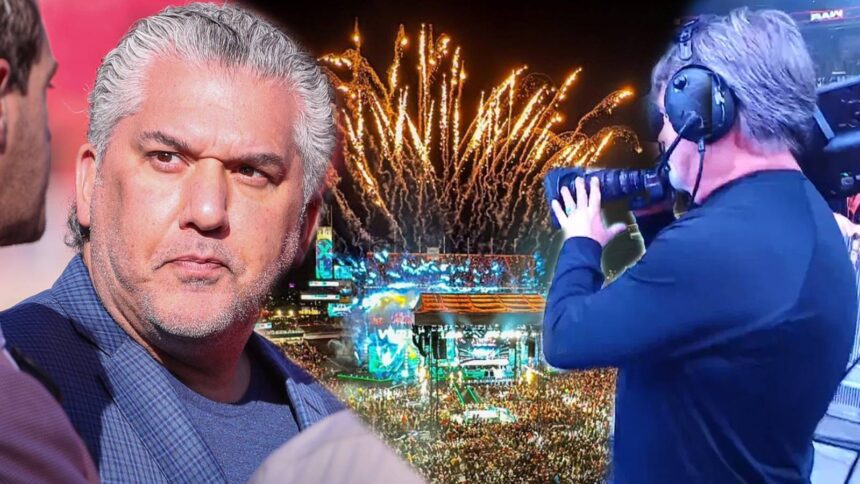
WWE’s success relies on much more than just the wrestlers in the ring; it takes a large, dedicated team working behind the scenes to bring the spectacle to life. Similar to film or TV productions, WWE functions like a traveling circus, with crew members constantly on the move across the globe to set up shows almost every night.
One of the key roles is the truck drivers who transport all the show’s equipment. With over 30 trucks and buses, and overseas warehouses for storage, these drivers work late into the night packing up and moving everything to the next location—without them, there would be no show.
Lighting, pyrotechnics, and set technicians then transform empty arenas into grand entertainment venues. Some stages, like WrestleMania, are designed almost a year ahead and use advanced technology such as over 3,200 lighting channels and millions of LED pixels, demonstrating the skill and planning WWE invests in creating its magical atmosphere.
Meanwhile, office staff in departments like human resources, arts, travel, and IT keep the company’s daily operations running smoothly from WWE’s Stamford, Connecticut headquarters, which has been its home for over four decades.
Catering is another crucial element, providing nutritious meals for everyone involved. This support allows superstars to maintain healthier lifestyles on the road, a big improvement from the days when wrestlers had to scrounge for late-night fast food.
Behind the scenes, hair stylists, makeup artists, costume designers, and seamstresses help wrestlers maintain their on-screen personas with carefully crafted looks and gear, often making last-minute changes before matches.
Medical staff play a vital role in protecting wrestlers, rapidly responding to injuries and ensuring proper care and rehabilitation. Their presence has saved lives, like when they helped Jerry Lawler during his heart attack, highlighting the importance of health and safety in the industry.
WWE’s marketing and media divisions handle everything from sponsorships with brands like Mayline Makeup and Prime, to video games, social media, and podcasts. These efforts extend storylines beyond TV and keep fans engaged in new ways.
Event coordinators work diligently to book arenas worldwide, often securing major venues years in advance for flagship events like WrestleMania, SummerSlam, and Royal Rumble. They collaborate closely with production teams to turn these venues into incredible WWE arenas.
Television production crews are essential to WWE’s storytelling, capturing the action and creating the visual style fans love. Veteran producers and directors have shaped the company’s unique presentation style over decades.
Lastly, creative writers craft the storylines that drive the drama and excitement. While WWE legends like Vince McMahon and Triple H have final say, a dedicated writers’ room ensures consistent, engaging narratives for each brand.
Fan Take: Understanding the massive team effort behind WWE shows deepens appreciation for the entertainment we enjoy. This insight reveals just how much coordination, creativity, and care goes into delivering the thrilling experience that keeps fans coming back year after year, ensuring the sport’s ongoing evolution and success.