




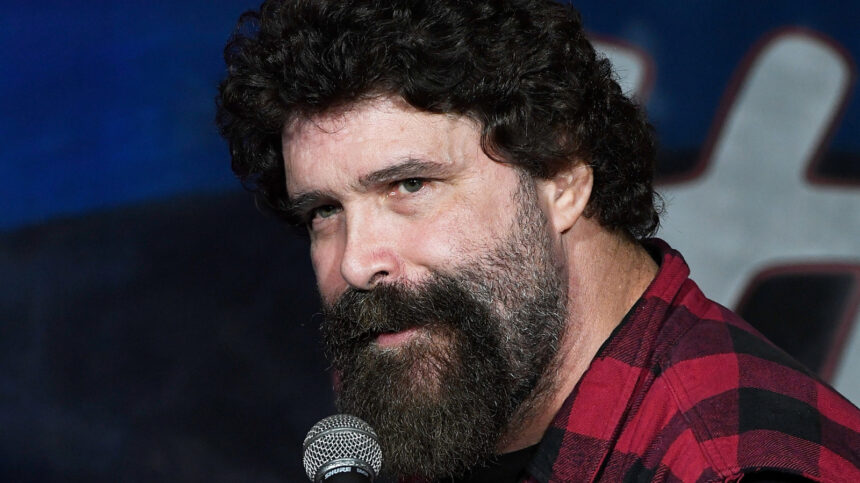
Mick Foley, the iconic “Hardcore Legend,” risked tarnishing his legacy during his time with TNA, which began in late 2008 while he was still somewhat active. Initially appearing as an on-screen authority figure, Foley returned to wrestling by spring 2009. Though his lone return match was decent despite his physical struggles, TNA made a controversial choice by having him defeat Sting to become the TNA World Champion.
During that championship match, Foley almost tore his ACL and suffered a severe concussion, attributing the injury to the different ring format. He openly expressed dissatisfaction with the match and some of TNA’s storylines, as revealed in his book Countdown to Lockdown: A Hardcore Journal. Despite praising TNA President Dixie Carter, Foley carefully navigated his comments and eventually signed a Legends contract with WWE after leaving TNA in 2011.
Between 2009 and 2011, Foley endured numerous injuries but continued fighting through rivalries with Abyss, Jeff Jarrett, and Kurt Angle. His physical struggles in TNA likely derailed potential opportunities, including a canceled hardcore match against Dean Ambrose at WWE SummerSlam 2012, and ultimately led to his forced retirement in 2012 when doctors warned he would never wrestle again. Reflecting on his time in TNA, it seems joining the Impact Zone may not have been the best decision for the legendary wrestler’s health and legacy.
Foley still hopes for one final, brutal match to end his career on a high note and even attempted to lose 100 pounds by his 60th birthday to get back into shape. However, medical advice continues to discourage him from returning to the ring due to the risk of permanent injury. Although his TNA tenure prevented him from fulfilling his dreams in WWE’s ring, he did return in a non-wrestling role, becoming WWE Raw’s General Manager in 2016, though he never got to finish his in-ring career with the company he idolized from childhood.
Fan Take: This story is a poignant reminder for WWE fans about the physical toll wrestling takes on even the toughest legends and the importance of preserving legacy over glory. Foley’s journey highlights that pushing a legend beyond their limits can hurt both the individual and the sport, underscoring the need for better care and storytelling respect for wrestling veterans.