

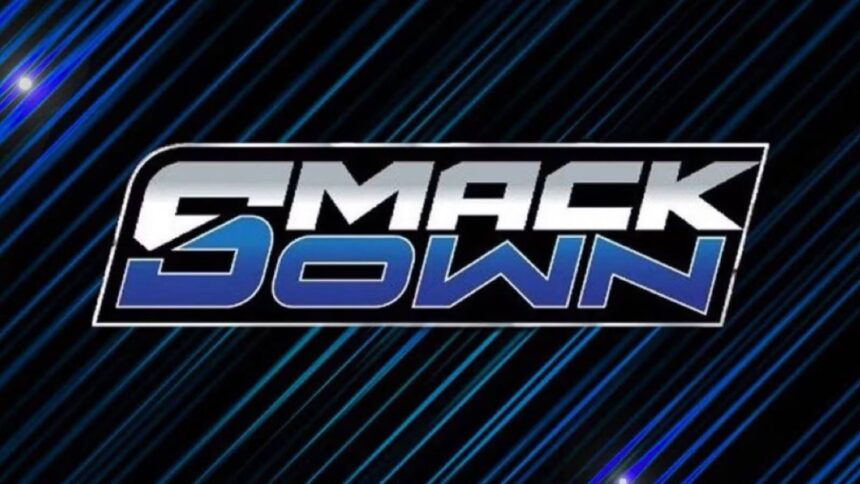
WWE SmackDown was launched in 1999 as the secondary show to the main Monday Night Raw. Initially not intended to be WWE’s premier program, SmackDown rose to prominence in the 2020s after moving to Fox and benefiting from the popular Bloodline storyline. However, recent years have seen several major disruptions for the blue brand. The Bloodline saga concluded with part-time Roman Reigns transferring to Raw, and SmackDown shifted back from Fox to the USA Network, leading to a sharp decline in ratings exacerbated by poor creative decisions. Fridays filled with SmackDown have become increasingly easy to skip, and the situation is poised to worsen as 2026 begins.
SmackDown has been criticized for its repetitive rematches, disqualifications (DQs), dull story arcs, and excessive advertising. Cody Rhodes’ current WWE Championship reign is seen as underwhelming, and many fans find the show more watchable in short YouTube highlight reels than in full episodes. Following a strong period under Triple H’s direction, WWE faced a downturn in quality in 2025 after being acquired by TKO. The company reverted to tired booking patterns reminiscent of Vince McMahon’s era, leading to stale matches, uninspiring title runs, and fewer memorable moments. While Raw also struggles, SmackDown has been the worse-off show.
Since SmackDown’s return to the USA Network and Raw’s move to Netflix, Monday nights have become WWE’s flagship night. Despite having Cody Rhodes as a strong lead, many SmackDown episodes are marked by familiar matchups, predictable fights, relentless ads, and lackluster content. Occasional highlights like John Cena’s part-time appearances and the US Championship Open Challenge offer some relief, but generally, SmackDown is better experienced through condensed online highlights. This makes WWE’s latest decision all the more surprising.
Starting with the January 2, 2026 episode, SmackDown will expand back to a three-hour format from its current two-hour length on the USA Network. Historically, long pro wrestling shows have performed poorly, with viewership dropping significantly during the third hour. This has been evident since the times of WCW Nitro some 20 years ago. Recent ratings confirm the wisdom of shorter shows: SmackDown’s audience dropped from over 2 million viewers on Fox to around 1 million on the USA Network, making the push for an extra hour puzzling, especially when its current content has failed to retain fans.
Increasing SmackDown’s runtime seems motivated by a desire for more TV time and advertising revenue, but the risk is alienating a dwindling audience. SmackDown was once WWE’s strongest show during the Ruthless Aggression era and played a crucial role during crises like the COVID-19 pandemic and the Vince McMahon scandal. However, in its current state, it feels repetitive and uninspired, making the extra hour likely to be filled with more commercials, recaps, and backstage segments instead of actual wrestling content. The January 2nd episode will mark a critical turning point for the show’s future.
Fan Take: This development matters because it highlights WWE’s struggle to balance business interests with fan engagement, risking further alienation of viewers who crave compelling storylines and quality wrestling. If SmackDown’s content doesn’t improve, extending the runtime could accelerate its decline, impacting WWE’s overall appeal and the future of televised wrestling entertainment.