




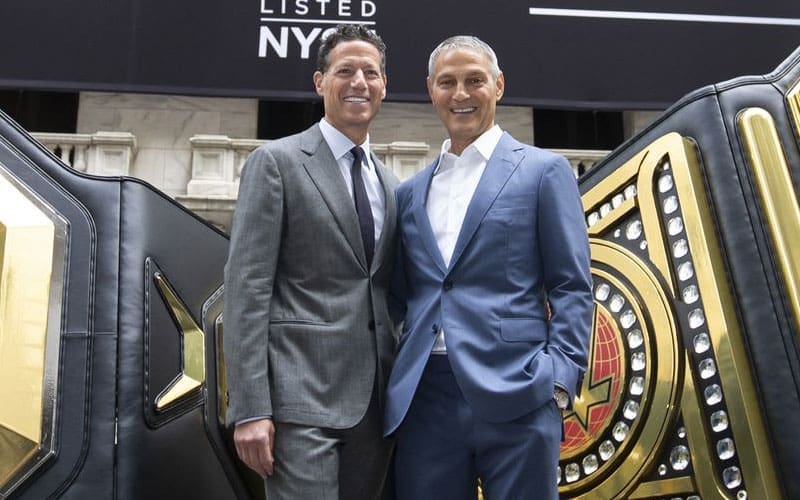
A recent investigation by The Guardian has brought to light troubling concerns about TKO Group Holdings, the parent company of WWE and UFC, particularly focusing on its dominant role in combat sports and its capacity to intimidate regulators and advocate for contentious legislation. Veteran boxing journalist Thomas Hauser’s detailed report, published Wednesday, centers on TKO’s newest enterprise, Zuffa Boxing, and raises alarms about the treatment of fighters and the broader governance within the industry. While much of the analysis revolves around Zuffa Boxing’s contracts and their resemblance to those of the UFC, the bigger picture reveals how TKO leverages its substantial influence—comparable to WWE’s scale—to control the sport’s landscape.
One state sports official told The Guardian, “TKO and Zuffa play hardball. They generate so much revenue from WWE and UFC that no one is going to try to top that.” Another insider noted, “They’re very good at instilling fear.” The article exposes TKO’s efforts to amend the Muhammad Ali Boxing Reform Act, a bill originally aimed at protecting fighters from unfair contract practices. This push reportedly has backing from prominent venues like Madison Square Garden and Crypto.com Arena, as well as multiple state athletic commissions. Hauser paints a picture of an industry where financial power and intimidation largely dictate compliance.
The report closely examines the terms of Zuffa Boxing’s contracts, which include product restrictions, perpetual non-exclusive rights, and mandatory fight offers. However, it does not specifically address WWE contracts, though the implications suggest that TKO’s approach extends well beyond just MMA. Financially, Zuffa Boxing reportedly earns $100 million annually for a 12-fight card through its partnership with Paramount Skydance, contrasting sharply with the UFC’s domestic rights deal that generates $1.1 billion a year for over 40 events. This underscores TKO’s aggressive strategy to maximize revenue across every segment of its portfolio, including WWE.
Whether WWE Superstars will eventually face similar contractual terms or experience the consequences of TKO’s lobbying remains uncertain. Nevertheless, the echoes of the UFC’s long-running dispute over fighter pay and the initial actions of Zuffa Boxing are already drawing comparisons.
Fan Take: This investigation is crucial for WWE fans because it highlights how much control TKO’s corporate influence may have over fighter contracts and protections—issues that directly impact the wrestlers they care about. If TKO applies the same hardline tactics seen in MMA to WWE talent, fans could witness significant shifts in how their favorite Superstars are managed and compensated, potentially reshaping the sport’s future.