




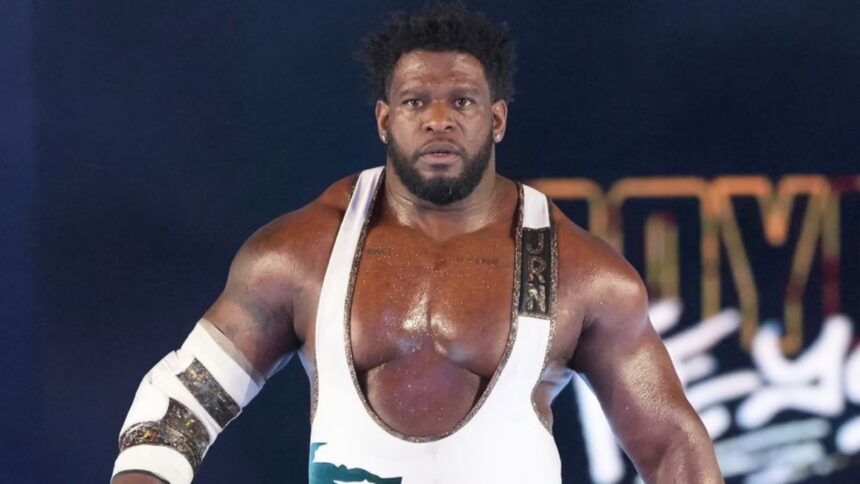
Powerhouse Hobbs made his first appearance in the men’s Royal Rumble match last weekend, officially becoming a WWE Superstar. As is common when wrestlers join WWE, Hobbs changed his ring name. Formerly recognized as the TNT Champion, he will now wrestle under the name Royce Keyes. Interestingly, this new name carries deep personal significance for the Superstar.
The reason behind Hobbs’ name change initially caused some confusion. His AEW name appeared briefly on the screen, suggesting he might keep it, which sometimes happens with wrestlers who already have a strong following outside WWE. However, the screen soon switched to showing “Royce Keyes” as he made his entrance in WWE. According to Fightful’s Sean Ross Sapp, the new name is a tribute: “Royce” is the name of Hobbs’ youngest son, a name he admires greatly and wanted to honor by adopting it for his wrestling persona. “Keys” is his mother’s maiden name, making the full ring name a meaningful blend of family ties.
WWE’s rules about name changes often seem unpredictable. While some wrestlers like AJ Styles and Shinsuke Nakamura kept their established ring names, others such as Finn Balor and Seth Rollins were required to rebrand upon joining WWE. The way WWE handled Hobbs’ transition was somewhat unique, balancing the recognition of his original name with the need to introduce a new one. The timing of this change, during the Royal Rumble, seems strategic—fans instantly recognize the familiar Powerhouse Hobbs name, then quickly learn his new WWE moniker, Royce Keyes, minimizing confusion during a fast-paced event.
Generally, WWE either asks new wrestlers to propose a list of names for approval or provides a list from which the wrestler must choose. Sometimes, WWE also rejects suggestions, as humorously noted when they almost renamed Stone Cold Steve Austin to “Fang McFrost.” This process remains largely the same, reflecting WWE’s approach to ensuring unique and marketable names for its talent.
Fan Take: For WWE fans, Royce Keyes’ name change signifies WWE’s ongoing strategy to blend personal storytelling with brand control, which can deepen emotional connections to wrestlers while maintaining WWE’s trademark identity. This could mean more authentic and meaningful character development in the future, enhancing the overall fan experience and the sport’s narrative quality.